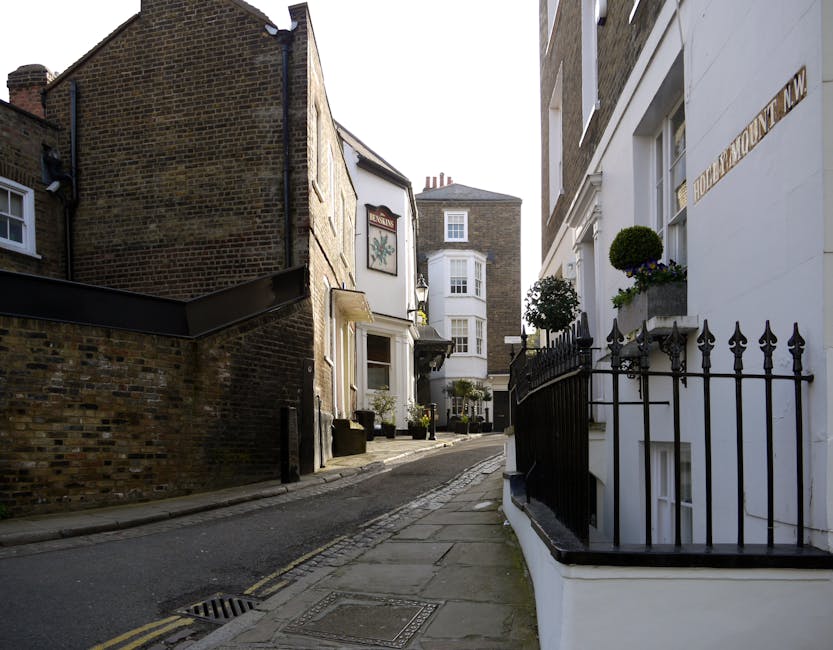
West End Lane Removals for Flats and Narrow Staircases: A Practical Guide for Smooth Moves
Moving in West End Lane can feel deceptively simple until you meet the real challenge: a flat on an upper floor, a tight landing, and a staircase that seems to have been built for a different century. If you are dealing with West End Lane removals for flats and narrow staircases, the difference between a calm move and a stressful one usually comes down to planning, access, and the right loading method. Not luck. Not brute force. Planning.
This guide walks through how flat removals work in narrow stairwells, what to expect on moving day, and how to avoid the common mistakes that cause delays, damage, or both. Whether you are moving a studio, a family flat, or a home office, the aim is the same: get everything out safely without turning the hallway into a game of furniture Tetris.
For people who want a fuller view of local moving options, it can also help to look at local removals in West Hampstead, man and van support for smaller moves, or the broader removal services available in the area. If you are still weighing up whether professional help is worth it, there is a useful overview on choosing a removal company in West Hampstead.
Table of Contents
- Why West End Lane removals for flats and narrow staircases matters
- How this kind of move works
- Key benefits and practical advantages
- Who this is for and when it makes sense
- Step-by-step guidance
- Expert tips for better results
- Common mistakes to avoid
- Tools, resources and recommendations
- Law, compliance, standards, or best practice
- Options, methods, or comparison table
- Case study or real-world example
- Practical checklist
- Conclusion
- Frequently asked questions
Why West End Lane removals for flats and narrow staircases Matters
Flat moves are different from house moves in ways that only become obvious when you are halfway down a tight staircase holding a wardrobe at an awkward angle. In areas like West End Lane, many properties have compact hallways, shared entrances, awkward turns, and upper floors with limited manoeuvring space. That changes the whole job.
The problem is not just size. It is angles, timing, access, and the shared nature of the building. A sofa that would glide straight out of a house can become a stubborn obstacle in a stairwell. A mattress can be easy on paper and irritating in real life. And if you are in a period building or converted flat, the route out may be more complicated than the route in ever was.
That is why local knowledge matters. Movers who understand flats around West End Lane tend to plan for the small details that make the biggest difference: stair width, parking distance, door swing, lift availability, building rules, and the best order to remove items. To be fair, those details are the move.
If you are moving out of a flat in the area, you may also want to look at house removals in West Hampstead if your move is part of a larger change, or man with van support in West Hampstead if you are working with a smaller load and tighter budget. Both can be relevant depending on how much you are taking.
Another point that gets overlooked: narrow staircases do not forgive poor packing. Loose shelves, weak boxes, and badly wrapped furniture tend to show up at the worst moment. That is why the planning stage matters almost more than the lifting stage. Almost.
How West End Lane removals for flats and narrow staircases Works
A good flat removal usually starts before moving day. The team will want to know what floor you are on, whether there is a lift, how wide the staircase is, whether there are turns or landings, and whether parking is close enough for efficient loading. That information shapes the vehicle choice, the crew size, and the order in which items are taken out.
In practical terms, the process often follows a simple pattern:
- Access review - check stairs, lift, entry points, parking, and any building restrictions.
- Item planning - identify large furniture, fragile pieces, and awkward items like desks, wardrobes, and beds.
- Packing and protection - use sturdy boxes, wrapping, and protective covers where needed.
- Load sequencing - move the easiest and safest items first, then tackle the larger pieces.
- Manoeuvring strategy - rotate, angle, lift, and guide items carefully through tight points.
- Vehicle loading - stack safely so nothing shifts in transit.
That all sounds straightforward, and in many moves it is. But the difference between a smooth stair move and a stressful one is usually the micro-decisions: whether a wardrobe should be dismantled, whether a bookshelf needs extra wrapping, whether a bed base will fit through a turn if carried flat, or whether it should go vertically instead. These are judgment calls, and experienced movers make them quickly.
If you are still at the planning stage, the page on packing materials and boxes is useful because the right boxes and covers can prevent a lot of avoidable grief. Honestly, a few strong boxes are worth their weight in calm.
For people with business items, files, or workstations in a flat, there is also an overlap with office removals in West Hampstead. A home office move has some of the same access issues, just with more cables and fewer excuses for where the printer ended up.
Key Benefits and Practical Advantages
When a flat removal is planned properly, the benefits go beyond simply "getting the stuff out." You gain control over the move, reduce the risk of damage, and make the day far less tiring than it would be otherwise.
- Less risk of damage - tight staircases are unforgiving, so careful handling and the right equipment help protect furniture, walls, and door frames.
- Faster loading and unloading - when items are packed and sequenced properly, the team wastes less time deciding what to move next.
- Better protection for shared spaces - this matters in flats, where hallways and stairs are often communal.
- Reduced stress - a good plan gives you breathing room on moving day.
- More accurate scheduling - if the access details are clear, the mover can estimate the job more realistically.
There is also a quieter benefit: fewer surprises. And let's face it, surprises are charming at birthday parties, not while carrying a wardrobe down a narrow stairwell.
For some households, this kind of move is also a chance to simplify. If you do not need everything immediately, using secure storage in West Hampstead can make the process much easier. Storing a few bulky items for a week or two can take the pressure off a tight move-out date, particularly if the new place is not ready all at once.
And if you want to understand the people behind the service before you book, take a look at about the team. That kind of reassurance matters when you are trusting someone with your belongings in a tricky building.
Who This Is For and When It Makes Sense
This type of removal is ideal for anyone living in a flat with limited access, especially where stairs are narrow, bends are tight, or parking is difficult. In West End Lane and nearby streets, that covers more people than you might think.
It makes particular sense if you are:
- moving out of a top-floor flat without lift access
- relocating from a converted Victorian or Edwardian property
- moving large furniture through a small stairwell
- trying to avoid damage to communal walls and bannisters
- working to a strict time slot with a landlord, concierge, or building manager
- combining a local move with storage or staggered delivery
It can also suit renters and first-time buyers who are moving from a one-bedroom flat with more possessions than expected. That happens constantly. One day you think you have "not much stuff," and then the pile of kitchen gadgets, books, spare bedding, and plant pots says otherwise.
Some people think a small move does not need a proper plan. That is only half true. Small moves can be quicker, yes, but they can also be more awkward if one bulky item blocks the staircase or if a single oversized sofa becomes the whole story.
If you are moving as part of a wider home search or relocation in the area, it may also help to explore local context in the Hampstead home buying guide or the local property market overview. Those pages are not about removals directly, but they do help frame what sort of homes and access patterns people often end up dealing with nearby.
Step-by-Step Guidance
If you want the move to go well, treat it as a sequence rather than a single event. The more clearly each stage is handled, the smoother the whole day becomes.
1. Measure access before you book
Check the staircase width, the tightest turn, the height of any railings, and whether large furniture can rotate in the hallway. If you are unsure, take photos. A quick picture of the landing can be more useful than a long description. Strange, but true.
2. Decide what must be dismantled
Large wardrobes, bed frames, and some desks are easier to move in pieces. If something has a bulky shape and weak joins, dismantling may save time and protect the item. Do not assume everything should stay intact just because it can. Sometimes "can" and "should" are different things.
3. Pack for narrow-route handling
Use strong boxes, not overfilled ones. Label them by room and mark fragile items clearly. For books, keep boxes small enough to lift comfortably. Heavy cartons on stairs are a bad idea, full stop.
4. Clear the route
Before moving day, remove loose rugs, shoes, bins, and anything else that could create a trip hazard. In shared buildings, make sure the communal route is as clear as you can reasonably make it.
5. Protect walls, edges, and furniture
Padding, blankets, and corner protection help prevent scrapes on both the property and the item being moved. A scuffed bannister might seem minor until it becomes a deposit conversation. Nobody wants that.
6. Load the van in the right order
Load larger, sturdy items first and use softer items to fill gaps. Keep fragile boxes where they will not get crushed. If the move includes a removal van, the packing inside matters just as much as the lifting outside. The van is part of the workflow, not an afterthought.
7. Confirm the final walk-through
Before leaving, check cupboards, loft access, under beds, behind doors, and utility spaces. People forget things in the most ordinary places. A kettle. A bag of chargers. A single shoe. One shoe always seems to survive.
Expert Tips for Better Results
Here is the kind of advice that tends to make a real difference in flat removals, especially where stairs are awkward.
- Book with the route in mind, not just the size of the flat. A small flat on the fifth floor can take longer than a larger flat on the ground floor.
- Ask whether bulky items should be dismantled in advance. That can save time on the day.
- Keep a "first night" bag separate. Put chargers, medication, toiletries, tea, and a clean towel in one easy-to-reach bag.
- Tell movers about awkward items early. Items like pianos, exercise bikes, glass tables, and large mirrors need extra thought.
- Plan for neighbours and shared access. Quiet, efficient movement in a building is better for everyone.
One small but useful habit: stand in the hallway and mentally rehearse the biggest item leaving the flat. It sounds a bit daft, but it often reveals the problem before it becomes a problem. Will the sofa tilt enough? Can the chest of drawers turn at the landing? If not, you adjust before the lifting starts.
If you need a flexible setup for a smaller or more straightforward move, a man and van service in West Hampstead can be a sensible fit. For many flat moves, especially local ones, that balance of flexibility and support is exactly what people need.
And if the job needs a broader service approach rather than a single van trip, you can compare with the main removals service page to see what level of help suits your situation.
Common Mistakes to Avoid
Most moving problems are not dramatic disasters. They are small avoidable mistakes that pile up. Here are the ones worth watching.
- Underestimating staircase difficulty - a route that looks manageable can turn out to be much tighter once furniture is in motion.
- Leaving packing too late - rushed boxes are weak boxes.
- Not measuring large furniture - if a wardrobe cannot turn, it cannot turn. There is no negotiation with physics.
- Ignoring communal building rules - access timing and noise expectations can matter in flats.
- Overstuffing boxes - especially with books, crockery, or tools.
- Forgetting to reserve parking or check vehicle access - long carries slow everything down.
- Assuming every item can stay assembled - sometimes dismantling is the smarter, safer choice.
A lot of people also make the mistake of treating the staircase as a nuisance instead of the central design constraint. But the staircase is the route. The route decides the move. Once you accept that, the rest gets easier.
Tools, Resources and Recommendations
You do not need a warehouse of equipment for a flat move, but the right few items make a noticeable difference.
| Tool or Item | Why it helps | Best use in a narrow-staircase move |
|---|---|---|
| Strong small boxes | Easier to carry on stairs | Books, files, kitchen items |
| Furniture blankets | Protects finishes and edges | Sofas, tables, wardrobes |
| Bubble wrap or paper wrap | Reduces impact damage | Glass, lamps, ornaments |
| Wardrobe boxes | Keeps clothing clean and organised | Short moves or storage transitions |
| Labels and marker pens | Speeds up unpacking | Room-by-room sorting |
| Removal van | Supports efficient loading and transport | Local flat removals and mixed-load moves |
For people who want a more hands-on, small-to-medium move setup, the removal van option in West Hampstead is worth considering. It can be a good match when the job is local, time-sensitive, and access is tight but manageable.
Need a little breathing room between move-out and move-in dates? That is where storage in West Hampstead becomes a useful backup rather than an afterthought.
You can also use the company's contact page to ask specific access questions before booking. That is usually the smartest next step if your staircase is especially awkward or your furniture is unusually large.
Law, Compliance, Standards, or Best Practice
Flat removals do not usually involve complicated legal issues, but there are still practical standards and expectations to respect. In shared buildings, you may need to follow building management rules about move times, lift use, protecting communal areas, or booking service access. Those rules vary, so it is always best to check rather than assume.
Parking and loading arrangements are another common concern. In London, a move can be delayed if a vehicle cannot get close enough to the entrance. That is not a legal lecture; it is simply how the day works. If there is a loading bay, permit need, or waiting restriction, plan for it early.
From a safety perspective, good practice is straightforward:
- keep stairways clear where possible
- avoid carrying oversized items without enough people
- protect walls, doors, and floors during handling
- lift with care and take breaks when needed
- report any access issues before moving day if possible
For business or mixed-use buildings, the same general approach applies, though access control may be stricter. If your move involves work equipment, it may be worth reviewing the dedicated office removals support page as well. It is not just for company relocations; it helps when the move includes desks, screens, and paperwork that needs careful handling.
Best practice, in simple terms, is about not making assumptions. Ask early. Measure early. Pack early. Boring? Maybe. Effective? Absolutely.
Options, Methods, or Comparison Table
Not every flat move in West End Lane needs the same approach. The right option depends on how much you are moving, how tricky the access is, and how quickly you need it done.
| Option | Best for | Strengths | Watch-outs |
|---|---|---|---|
| Man and van | Small-to-medium local flat moves | Flexible, often efficient, good for short distances | May not suit very large loads or highly complex access |
| Full removals service | Larger flats, more furniture, more handling needs | Broader support, better for complex or time-pressured moves | Can be more than you need for a very small move |
| Van hire only | Very budget-conscious self-moves | Lower direct cost if you do the lifting yourself | Harder on narrow stairs and riskier for bulky furniture |
| Move with storage | Staggered move dates or temporary downsizing | Useful when keys, dates, or space do not line up neatly | Needs extra coordination and planning |
For many people, the sweet spot is a local van-based service with proper moving help rather than a bare van hire. That is especially true when the staircase is narrow, because carrying alone or in a rushed way tends to create the exact problems you were trying to avoid.
If you want a more service-focused overview, the page on removal services in West Hampstead is a sensible next stop. It helps you compare the kind of support you actually need, not just what sounds cheapest at first glance.
Case Study or Real-World Example
Picture a typical West End Lane flat move: a second-floor one-bedroom apartment, no lift, narrow staircase, and a sofa that looked perfectly normal in the showroom but now seems oddly determined to stay put. The tenant has a few boxes, a bed frame, a dining table, two bookshelves, and the usual collection of "small" items that somehow add up to a lot.
On the morning of the move, the team checks the route, confirms which pieces need dismantling, and clears the hallway. The bed frame comes apart first, which immediately makes the stairwell more manageable. Books are packed in small boxes rather than overfilled ones. The sofa is wrapped, angled carefully at the landing, and moved with one person guiding from above and another spotting from below.
Nothing dramatic happens. That is the point. There is no scraping, no last-minute panic, no item wedged half-way down the stairs while everyone stares at it in silence. By mid-afternoon the flat is empty, the van is loaded securely, and the client is left with the rare and lovely feeling that a move has gone... basically fine.
That kind of result is not accidental. It comes from measuring properly, choosing the right service level, and treating access as part of the job rather than an inconvenience. The same approach applies whether you are moving a studio, a family flat, or a mixed household load.
If you want to see how a local team frames this kind of work more generally, the page on man with van removals in West Hampstead gives a good sense of the practical, everyday scale of these moves.
Practical Checklist
Use this checklist a few days before the move, then again on the morning itself.
- Measure large furniture and compare it with stair and landing space
- Confirm whether anything should be dismantled
- Pack books and heavy items into small, manageable boxes
- Label fragile boxes clearly
- Clear hallways, floors, and entrances
- Check parking or loading arrangements
- Protect doors, walls, and bannisters if needed
- Keep essentials in a separate bag
- Tell movers about awkward items in advance
- Do a final check of cupboards, drawers, and storage spaces
Expert summary: For flat removals on West End Lane, the winning formula is simple: measure early, pack lightly, protect the route, and choose a service that matches the access. That is how you keep the move calm even when the staircase is not.
Conclusion
West End Lane removals for flats and narrow staircases are all about respecting the space you are moving through. Once you accept that the staircase, the landing, and the parking situation shape the job, the rest becomes much easier to manage. Good planning reduces stress. Good packing reduces damage. Good local experience reduces the little problems that eat time and energy.
Whether you are moving a compact flat, a top-floor rental, or a home filled with awkward furniture and a bit too much optimism, the goal is the same: make the move feel controlled rather than chaotic. And that is absolutely possible, even in a building that looks like it was designed by someone who disliked sofas.
Get a free quote today and see how much you can save.
If you are ready to talk through your access details, use the contact page and share as much information as you can about the stairs, furniture, and timing. A few clear details at the start can save a lot of trouble later, and that is usually the nicest kind of move day there is.
Frequently Asked Questions
What makes flat removals on West End Lane different from a normal house move?
Flat removals often involve tighter access, shared hallways, stairs, lifts, and parking limits. That means more planning around route, timing, and item size than you would usually need for a house move.
How do you move furniture down a narrow staircase safely?
Usually by measuring carefully, dismantling oversized items where needed, wrapping furniture for protection, and using the correct angle and number of people for the lift. The route matters as much as the item itself.
Should I dismantle my bed or wardrobe before the movers arrive?
Often yes, especially if the staircase is tight or the item is bulky. If you are unsure, ask in advance. Some furniture is easier and safer to move in sections.
Is a man and van service enough for a flat move in West End Lane?
It can be, if the load is modest and the access is manageable. For larger loads or trickier staircases, a fuller removals service may be a better fit.
How far in advance should I book a move for a flat with narrow stairs?
As early as you can, especially if your move is near a month-end, weekend, or key-exchange date. Early booking also gives time to discuss access details properly.
What should I tell the removal team before moving day?
Tell them about the floor level, lift access, stair width, tight turns, parking, large furniture, fragile items, and any building rules. The more accurate the information, the better the plan.
Can removals teams protect walls and bannisters in a flat?
Yes, many teams use blankets, padding, and careful handling to reduce the risk of damage. It is still sensible to ask what protection will be used if your building has delicate finishes.
What if my new place is not ready on the same day?
That is where storage can help. Short-term storage gives you breathing room if there is a gap between leaving one home and entering the next.
Do I need special permission for moving furniture in a flat building?
Sometimes you may need to follow building management rules about access times, lifts, or communal areas. It is best to check with the building or landlord before move day.
How can I make moving day less stressful?
Pack early, keep a separate essentials bag, clear the route, measure large items, and communicate clearly with the movers. Small steps make a surprisingly big difference.
What is the biggest mistake people make with narrow-staircase removals?
Underestimating how awkward large items can be. A sofa, mattress, or wardrobe may look fine on paper and still need dismantling or special handling in real life.
Where can I find more help with local moving options?
You can explore the broader removals services in West Hampstead, review local removal company options, or check the team's about us page for more context before booking.